Error game. Pursuit. Stillness.
Seven minutes of frustrating errors. Your pursuit for 90–240+ minutes with short random pauses. Stillness after. Error. Pursuit. Stillness. Your new EPS: earnings per share, paid in skill.
Apply for the Pilot How it runsNovel by design.
Eccentricity. Pursuit. Stillness.
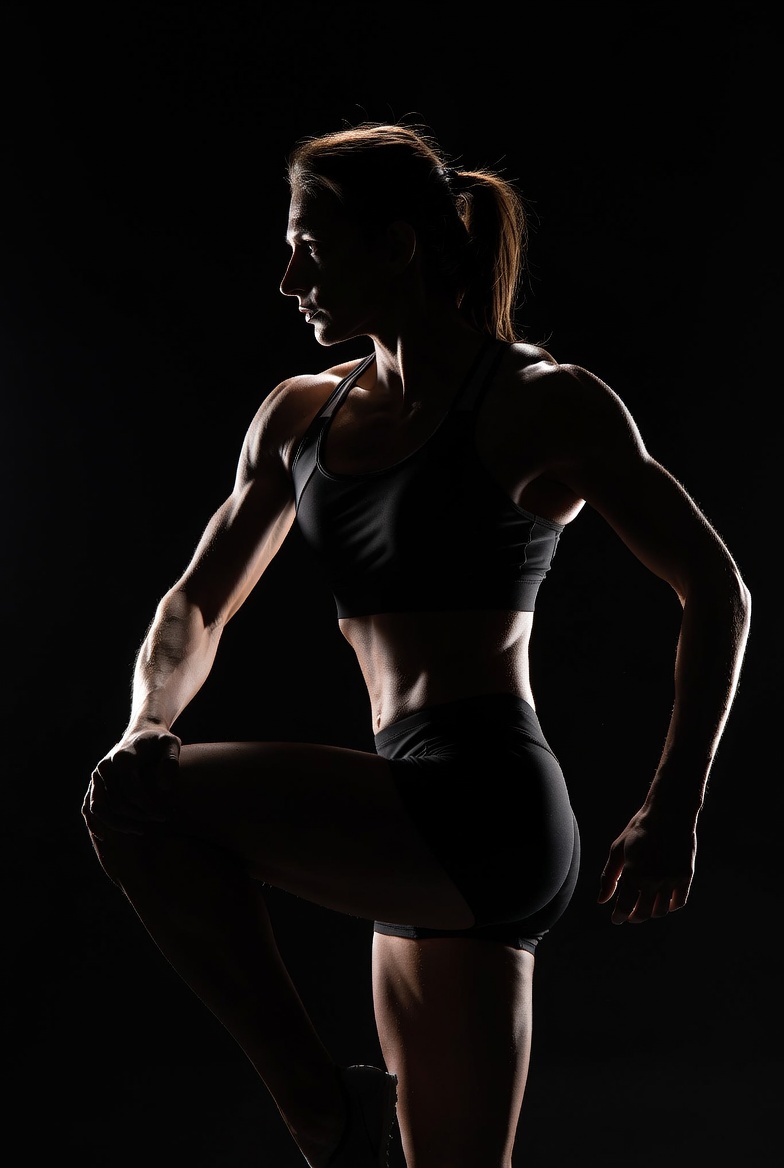

Seven-minute error game
A short, novel challenge that keeps you slightly off balance and produces frustrating, countable errors. Seven continuous minutes.
The mark you’re making
Art, business, language, music, pursuit. About 90–240+ minutes. During that stretch, stop at random for about 10–15 seconds. Do nothing. Do this often across the session.
Quiet after the bout
About 10–30 minutes of stillness after. No screens. In that quiet, the nervous system keeps replaying what mattered. Retest another day. What remains is what stuck.
Most “learning” is unsystematic. Ours is systematic science.
| Dimension | Usual approach | EATMS Learning |
|---|---|---|
| Evidence | Self-report, how it felt | Error rates, timing, movement data |
| Where it aims | Comfortable volume | Edge of failure |
| Feedback | “Good rep,” coach impression | Knowledge of performance (which joint, what timing) |
| What “better” means | Temporary bump | Retained change on retest |
| What transfers | Better at the drill | Better at the job, unpracticed tasks |
| The output | Vibe or certificate | Measured improvement. Tax only if the underlying project independently qualifies |
A game that can spark real experiments.
We wanted to build something that would still be a thing if the idea of money ever gets dropped. Thirty years out, fifty, a hundred: currencies come and go, and what you learned stays yours. Skill outlives every ledger. Start it now. Get better at the pursuit. New ideas show up: purpose, iterations, uncertainty. When those ideas also rest on hard science or engineering (physics, chemistry, biology, computer science, and more), you may have a qualifying R&D activity. Low odds on day one. Higher if you stay with the pursuit.
Product, process, or software improved in performance, reliability, or quality.
Physics, chemistry, biology, engineering, computer science, and related fields. Preference and opinion do not count.
Capability, method, or design unclear at the start.
Alternatives identified, tested, and measured.
Learning does not qualify anything by itself. Your experiment might. Side effect, not the purpose. How qualification works →
Numbers you can track.
How steeply the error curve bends, fitted from your own data.
Time until a recurring mistake is half as frequent.
How much of the gain survives a break.
Whether the gain shows on tasks you never practiced. Far transfer is the gold standard.
Whether the skill holds under dual-task, time pressure, or fatigue.
Right joints, right order, under load.
We're building our first cohort.
The platform is in active development. Pilot participants (athletes, teams, and companies) contribute performance data, get their baseline metrics first, and help shape what comes next.
Apply for the Pilot